Intention, Execution, and Consequence
Good intentions are necessary but not sufficient; ethics also demands careful execution and readiness to repair consequences.
- Do not use intention as a licence.
- Weigh foreseeable consequences.
- Take responsibility for harm without condemning yourself.
Historical Core
The Stoa judges the reasonable and virtuous choice, but fitting action requires attention to roles, circumstances, and concrete execution.
Stoic doctrine and practical ethics, presented as historical philosophy
Modern Translation
'I meant well' can be sincere and still insufficient. Virtuous people examine effect, listen, and correct.
The Situation
You give harsh feedback 'out of honesty', but have barely thought about timing and wording.
The Exercise
Take one well-intended deed with a bad effect. Note intention, missed information, effect, and repair action.
Hipparchia · mentor voice, paraphrase
Was this truth in service of the other, or your need to express yourself unfiltered?
Journal Question · saved to your Record
Write your answer: when is a good intention not yet a good deed?
Mastery Evidence
The learner delivers a concrete choice, a justification through the four virtues, and an applicable next step. Saving a draft does not complete the lesson; 'Save and complete lesson' does, after validation.
Demonstrate this in the Path of Right Action with a real example.
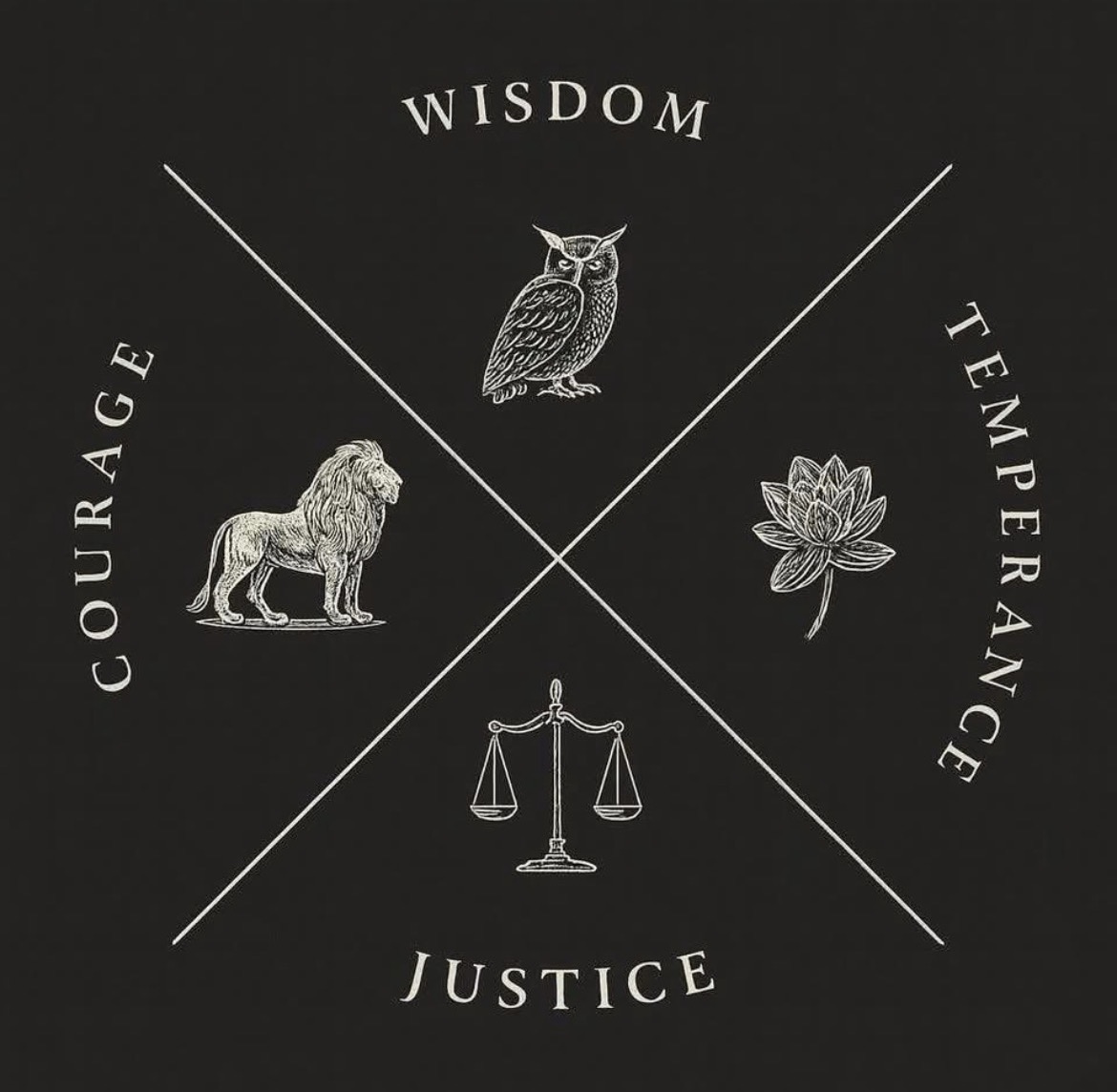
Test your judgment by the four virtues.