Sobre la libertad, la resiliencia y la firmeza serena
Europa se prepara de nuevo para un mundo en el que la guerra ha dejado de ser impensable.
Desde la invasión rusa de Ucrania, se habla de rearme, ejércitos más numerosos, defensa aérea, drones, reservas de munición y la posibilidad de que las fuerzas armadas europeas deban ser capaces de resistir algún día un ataque ruso. Los gobiernos aumentan sus presupuestos de defensa y se preparan para la amenaza visible que llega desde el exterior.
Eso es necesario. Una democracia que no puede defenderse militarmente hace depender su libertad de la voluntad de otros para protegerla.
Pero una ciudadela puede caer de más de una manera.
Puede ser atacada de frente por ejércitos, misiles y drones. También puede ser debilitada por ciberataques, sabotaje, desinformación, injerencia extranjera, polarización social, extremismo religioso y político, y la pérdida gradual de confianza en sus instituciones.
En ocasiones, estas amenazas se refuerzan mutuamente. Las potencias extranjeras no necesitan provocar ellas mismas toda la división interna de Europa. Puede bastar con amplificar conflictos ya existentes, dar mayor visibilidad a voces radicales y convencer a los ciudadanos de que su gobierno, su sistema judicial y su democracia ya no merecen confianza.
Por eso, la defensa militar por sí sola no es suficiente.
La ciudadela interior
Marco Aurelio describió la mente humana como una ciudadela interior: un lugar donde el juicio racional se mantiene firme cuando el miedo, la ira, la tentación y el engaño atacan desde distintos flancos.
Esa ciudadela no era para Marco un refugio en el que esconderse del mundo. No era solo filósofo, sino también emperador. Mientras custodiaba su fortaleza interior frente al miedo, el odio y la desesperación, asumía la responsabilidad de proteger a otros y de defender las fronteras del Imperio.
La ciudadela democrática
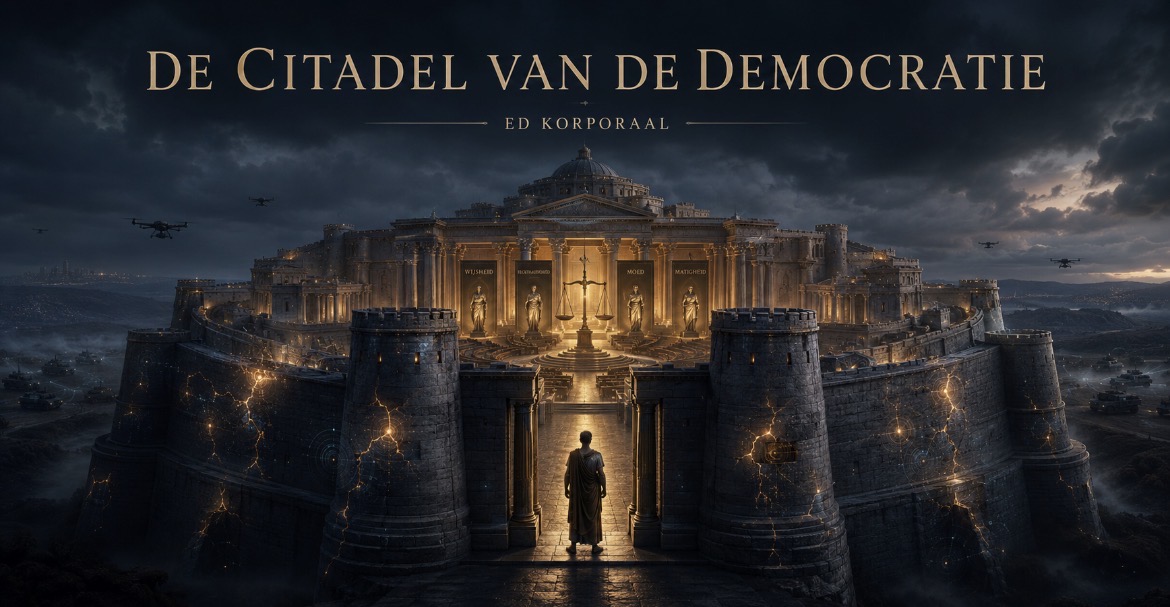
Imagínese ahora el Estado democrático de derecho como esa ciudadela.
Sus murallas están hechas de libertad, dignidad humana, igualdad ante la ley y una justicia independiente. Sus puertas son nuestros procedimientos democráticos. Sus guardianes son la policía, la justicia, la defensa, la administración pública, los servicios de inteligencia, el periodismo independiente y, en última instancia, cada ciudadano que se niega a renunciar a su propio juicio.
Fuera de las murallas aguardan posibles adversarios militares. En torno a ellas operan servicios de inteligencia extranjeros, actores cibernéticos y redes de propaganda. Dentro de las murallas conviven movimientos políticos, religiosos e ideológicos que respetan nuestra libertad, pero también grupos que pueden aprovechar nuestra apertura para arrebatársela gradualmente a los demás.
Las puertas son puestas a prueba
El peligro surge cuando la ciudadela es sometida a presión en todos estos puntos al mismo tiempo.
En un frente se pone a prueba la preparación militar. En otro se atacan sistemas digitales, se perturba el suministro energético o se avivan las tensiones sociales. Por una puerta se ocultan flujos de financiación extranjera. Por otra se llevan las leyes hasta su límite, se intimida a funcionarios o se utilizan las libertades democráticas para acumular influencia antidemocrática.
Al mismo tiempo, los guardianes se ven desbordados por un número creciente de incidentes, investigaciones y procedimientos judiciales.
Ningún ataque aislado parece suficientemente grave como para hacer caer la ciudadela. En eso reside precisamente el peligro.
Como los velociraptores de Jurassic Park que no dejan de explorar la valla, se tantea dónde decae la atención, dónde falta capacidad y dónde existen normas que no se aplican de manera sistemática.
Cada brecha proporciona información. Cada infracción sin consecuencias revela dónde ha desaparecido la corriente de la valla. Cada punto débil que no se repara se convierte en el punto de partida del siguiente paso.
Muchas manos, las mismas murallas
Para ello, los adversarios no necesitan actuar desde un mismo centro de mando. Una potencia extranjera, una organización extremista, una red criminal y un político oportunista pueden perseguir objetivos distintos y, aun así, debilitar conjuntamente las mismas murallas.
Algunos actúan movidos por el poder geopolítico. Otros, por una convicción religiosa o política absoluta. Otros más, por beneficio económico, influencia social o rédito electoral. Todos pueden sacar partido del miedo, la división, la lentitud administrativa y la indignación moral selectiva.
¿Cómo respondería Marco Aurelio?
No con pánico ni con odio. No declarando enemigos a grupos enteros de población. Proceder así significaría que la ciudadela quedaría corrompida desde dentro por la injusticia de sus propios defensores.
Pero tampoco prolongaría indefinidamente la deliberación cuando ya es suficientemente claro lo que está ocurriendo. Depuraría su percepción, separaría los hechos de las interpretaciones, determinaría el peligro real y actuaría en consecuencia.
Enviaría a los guardianes hacia los puntos vulnerables, repararía las murallas dañadas y cerraría las puertas que estuvieran siendo utilizadas de manera indebida. Impediría que quienes reciben la protección de la ciudadela empleen esa misma protección para socavar sus cimientos.
No por venganza, sino por responsabilidad.
Los defensores de la ciudadela no pueden permitirse caer en el fanatismo. El fanatismo clausura el juicio racional y convierte cualquier diferencia en enemistad. Pero lo contrario del fanatismo no es la pasividad. Es la firmeza serena.
Europa debe, por tanto, poseer la fuerza militar suficiente para disuadir un ataque exterior. Debe proteger su infraestructura digital y vital frente a ataques híbridos. Y al mismo tiempo debe defender el Estado de derecho frente al extremismo, la erosión institucional y el abuso de las libertades democráticas.
Las cuatro virtudes
Para ello son necesarias las cuatro virtudes.
La sabiduría reconoce la amenaza real e impide que el miedo, la propaganda o los intereses políticos sean tomados por hechos.
La justicia determina qué debe ser protegido, aplica la misma ley a todos y se niega a responsabilizar a personas inocentes por los actos de otros.
El valor pone la justicia en movimiento. Garantiza que los límites necesarios sean efectivamente defendidos incluso bajo presión militar, social, jurídica y política.
La templanza evita que la defensa se convierta en venganza, arbitrariedad, sospecha colectiva o represión.
La firmeza nace donde la justicia y el valor se encuentran. Significa que el mismo límite rige hoy, mañana y bajo una presión creciente. Que las leyes no dependen de la identidad del infractor. Que las amenazas demostradas no solo se registran, sino que tienen consecuencias proporcionadas.
Llegar hasta el límite no significa que durante la defensa todo esté permitido. Significa que permanecemos fieles hasta el límite a aquello que hace que la ciudadela merezca ser defendida. Si para salvarla renunciamos a la justicia, a la humanidad y a la libertad, quizás hayamos conservado las murallas, pero habremos perdido la ciudadela.
La pregunta decisiva
Nuestra democracia no tiene por qué desaparecer a causa de una gran guerra.
Puede ser amenazada desde el exterior y, al mismo tiempo, vaciada desde el interior. Por intimidación militar, sabotaje y propaganda, pero también por miles de pequeñas transgresiones que investigamos, registramos y acabamos por considerar normales.
La pregunta decisiva no es, por tanto, únicamente si Europa puede resistir militarmente un ataque ruso.
La pregunta es también si tenemos la sabiduría para reconocer a tiempo todas las formas de presión, la justicia para proteger a cada ciudadano por igual, el valor para reparar de verdad los puntos débiles demostrados y la templanza para permanecer humanos y democráticos durante la defensa.
Ni fanáticos, ni ingenuos, ni pasivos — sino lúcidos, justos y firmes. Tan perseverantes como los adversarios de la sociedad libre, pero sin igualarnos jamás a ellos.
El Estado democrático de derecho es nuestra ciudadela común.
Protéjala de los ejércitos que aguardan fuera de las murallas, de la erosión que opera dentro de las puertas y del miedo y el odio que pueden destruirla desde nosotros mismos.
Ed Korporaal
Founder of StoicOs.ai